Brand
Why Brand Consistency in Photography Matters More Than Trending Aesthetics
Feb 18, 2026
4 min read
Retouching
The Truth About High End Retouching: What It Is, What It Isn’t, and Why It Matters
Feb 16, 2026
5 min read
The best shoots are won in the week before they happen. Here's how we approach pre-production for every project, from a single-product shoot to a three-day campaign.
CATEGORY
Photography direction
DATE
READ TIME
6 min read
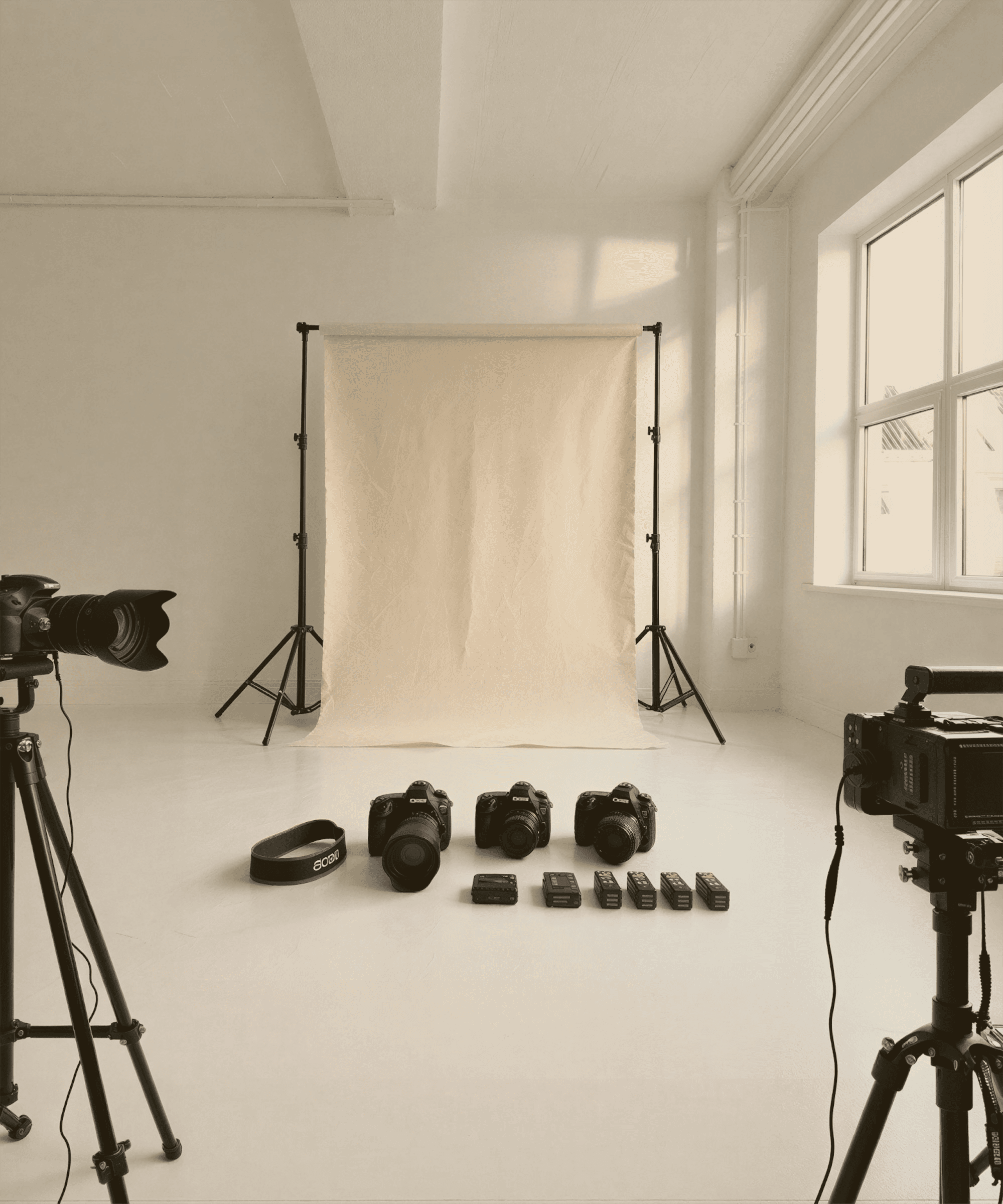
Every great photograph has a prehistory. Long before the camera is loaded, before the first frame is exposed, the real creative work happens, in conversations, in documents, in location visits, in the quiet decisions that determine what the image will say and how it will say it.
Pre production is the phase most clients never see, which is precisely why it is so often undervalued. To an outside observer, a photographer arrives on set, the shoot happens, and images appear. The invisible work that made those images possible, the scouting, the brief, the casting, the styling conversations, registers only in its absence, when a shoot goes wrong.
When we scout a location, we are not looking for a backdrop. We are looking for a participant. The right space does not merely accommodate the image, it contributes to it. The quality of the light at a given hour, the texture of a wall, the sight lines that compress or open the composition, all of these become expressive tools.
We visit every location at the time of day we intend to shoot. A warehouse that reads as dramatic and moody at 8am may become flat and over lit by noon. A rooftop that works in autumn becomes a furnace in July. The scout is not a checklist exercise, it is the first act of making the image.
We photograph the space extensively during the scout. Not hero shots, working documents. We annotate what we see, where the light enters, where it falls flat, which corners have potential, and which walls will compete with the subject. Those annotated images become reference material for the whole team on shoot day.
"The best shoots are decided before the first light stand goes up. Pre-production is not logistics, it is the first act of the work."
There is a tension in pre-production between preparation and openness, and navigating it well is one of the more difficult creative skills. An overly rigid shot list becomes a checklist rather than a creative framework. But arriving on set without direction is not freedom, it is a waste of everyone's time and money.
Our approach is to build a detailed shot list that covers the essential deliverables, the images the client has briefed us for, and then to leave explicit space for discovery. We call these "open frames." They are not undirected. They have a clear intention, find something we did not plan for. The shot list creates the floor, the open frames create the ceiling.
A typical half day shoot for a fashion client carries fifteen to twenty briefed frames and three to four open frame designations. In our experience, the open frames frequently produce the hero image. Pre production creates the conditions for that to happen.
Props and styling are not decoration. They are the visual vocabulary of the image, and that vocabulary needs to be agreed before shoot day, not improvised on set. When a stylist arrives with options that have not been reviewed, the shoot becomes a series of micro decisions that should have been made in advance. The energy goes into administration rather than photography.
We run a pre production styling review for every shoot involving garments or props. This is not about dictating the stylist's choices, it is about ensuring every element in frame is serving the same story. We look at each piece against the location reference images and the shot list. We ask, does this belong in this image? If the answer requires a long explanation, it usually does not.
Color is a particular area of focus. We define a color palette during pre production and evaluate every prop and garment against it. This is not rigidity, it is coherence. A campaign shot over two days in two locations needs to feel like a single body of work. That consistency comes from the pre production decisions, not from post production correction.
Whether we are working with professional models or with a brand's founders and team, we conduct a talent briefing in advance. For non professional subjects especially, arriving on set without preparation is a reliable path to stiff, performative images. People who do not know what to expect will default to what they think a photograph is supposed to look like, and what they think a photograph is supposed to look like is usually wrong.
Our talent brief covers the project narrative, the visual references, what we will ask of them, and what the day will feel like. We do not give poses. We give context. We want them to understand the story we are telling so that their presence in the image is informed rather than decorative.
We also send talent the location images and the mood reference. Arriving somewhere you have already seen is fundamentally different from arriving cold. The familiar space allows people to think about something other than where to put their hands.
Every shoot we produce is preceded by a brief document, a single source of truth that contains the project objective, the visual references with annotations, the shot list, the location details, the styling notes, the talent briefing, the day schedule, and the delivery specifications. It runs to four to eight pages depending on the complexity of the project.
This document is not client facing, it is a production tool. Its purpose is to ensure that every person on set, photographer, assistant, stylist, and talent, is working from the same understanding. When the brief document is strong, the shoot is quiet. There are no arguments about whether something is right or wrong because the standard of "right" was established in advance.
We share a simplified version with the client before shoot day. Not to seek approval for every decision, the creative direction is ours to own, but to confirm that we have correctly understood their objectives and that there are no surprises. A surprised client mid shoot is a distracted client. We prefer to surface all concerns in the pre production conversation, where they can be resolved without pressure.
Pre production is invisible in the finished image, which is exactly as it should be. When it is done well, the only thing you see is the work.